Let’s be honest.
The get rich quick dropshipping era is dead.
Launching a generic Shopify store, importing random products, and hoping customers trust you no longer works. Shoppers today compare brands, read signals carefully, and leave instantly if something feels off.
If you want to succeed in 2026, you must intentionally brand your dropshipping store instead of running it like a short term experiment.
This guide explains exactly how to build a branded dropshipping store that earns trust, converts better, and grows long term.
Brand vs Dropshipping Store: What’s the Real Difference?
A traditional dropshipping store focuses on speed and short term sales.
A branded dropshipping store focuses on trust, consistency, and customer experience.
Customers do not buy from stores anymore. They buy from brands.
A real brand clearly answers:
- Who is this for?
- Why should I trust you?
- What happens after I place an order?
If your store cannot answer these questions, conversions will suffer no matter how much traffic you drive.
Step 1: Choose a Niche You Can Actually Brand
Not every niche is suitable for branding.
A strong niche dropshipping store usually:
- Serves a specific audience
- Solves a clear problem
- Allows storytelling and positioning
Instead of selling everything, focus on one category such as fitness, lifestyle, fashion, pets, or home improvement. A focused niche makes it easier to build a dropshipping brand and communicate value clearly.
Step 2: Create a Clear Brand Identity
Brand identity is more than a logo.
It includes:
- Your tone of voice
- Messaging style
- Visual consistency
- Values and positioning
Decide if your brand is friendly or premium, bold or minimal, playful or professional. This ecommerce tone of voice should appear in product descriptions, emails, customer support replies, and post purchase communication.
Consistency builds trust. Inconsistency destroys it.
Step 3: Design a High Converting Shopify Store
A high converting Shopify store looks clean, intentional, and trustworthy.
Best practices include:
- Simple layouts
- Consistent colors and fonts
- Clear navigation
- No unnecessary clutter
Good dropshipping store design does not try to impress. It tries to feel legitimate. Customers should immediately feel comfortable browsing and buying.
Step 4: Build Trust on Every Page
Trust is the biggest conversion factor in dropshipping branding.
Key trust elements include:
- A clear About Us page for Shopify store
- Visible contact information
- Social proof for ecommerce such as reviews and testimonials
- Trust badges for online store and secure checkout indicators
Your About Us page should explain why the brand exists, who it is for, and what makes it different. Customers do not expect perfection. They expect honesty.
Step 5: Upgrade the Post Purchase Experience
Many store owners focus only on the checkout.
Real brands focus on what happens after.
After checkout, customers ask where their order is, how long delivery will take, and who is handling fulfillment. A branded custom tracking page reassures customers, reduces support tickets, and strengthens dropshipping customer trust.
A strong post purchase experience improves retention, repeat purchases, and word of mouth.
Step 6: Treat Customer Support Like Part of the Brand
Customer support is not an expense. It is part of your brand identity.
Fast and clear responses:
- Reduce chargebacks
- Increase loyalty
- Improve brand perception
Every interaction from checkout to delivery shapes the overall ecommerce customer experience. Support emails, policies, and replies should sound human, helpful, and consistent with your brand voice.
Step 7: Think Long Term and Scale Like a Brand
Shortcuts do not build brands.
Real Shopify brand building focuses on:
- Improving product quality over time
- Using data to scale what works
- Upselling after purchase thoughtfully
- Refining messaging and positioning
If your goal is to build a brand in dropshipping, every decision should support trust and customer experience, not just quick revenue.
Why AeroDrop Is Built for Branded Dropshipping Stores
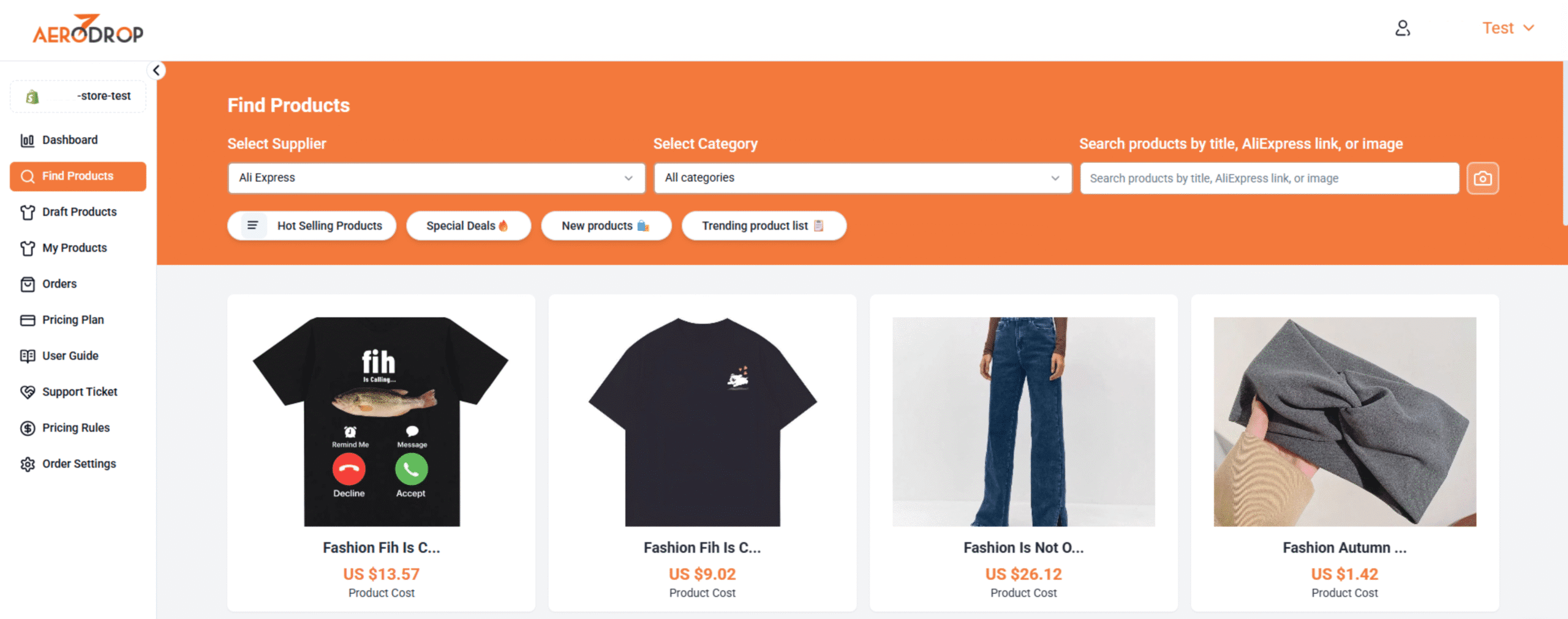
Building a brand requires the right infrastructure.
AeroDrop is designed for store owners who want to move beyond generic dropshipping and create real ecommerce brands.
All in One Platform for Brand Consistency
Managing products, orders, and fulfillment from one dashboard helps maintain reliability and operational consistency, which directly impacts customer trust.
Smarter Product Sourcing
AeroDrop helps you discover trending products from trusted suppliers with no MOQ, allowing you to test products without sacrificing brand quality or presentation.
Easy Product Customization
You can edit titles, descriptions, and pricing inside the platform, making it easier to align product pages with your brand identity for ecommerce instead of using generic supplier content.
Custom Branding Options
Custom packaging and unique sourcing options allow your store to stand out and feel like a real brand rather than a resell site.
Real Time Performance Insights
Live data on orders, earnings, and trends helps you make informed decisions, improve pricing, and scale strategically.
Beginner Friendly but Built to Scale
Quick Shopify integration, friendly support, and scalable systems mean AeroDrop grows with your business instead of limiting it.
In short, AeroDrop does not just help you fulfill orders. It helps you control the full ecommerce customer experience from product sourcing to delivery.
Final Thoughts
Dropshipping is not dead.
Unbranded dropshipping is.
If you want higher conversions, repeat customers, and long term growth, you must act like a brand, not a temporary store. Focus on trust, design, communication, and post purchase experience.
With the right strategy and tools like AeroDrop, you can build a branded dropshipping store that customers trust and come back to.
Frequently Asked Questions
1. What is a branded dropshipping store?
A branded dropshipping store is an ecommerce store built around a clear identity, consistent messaging, and a strong customer experience. Instead of focusing only on selling products, it focuses on trust, positioning, and long term relationships with customers.
2. Can you really build a brand without holding inventory?
Yes. You can build a digital brand first by controlling your website design, tone of voice, customer communication, and post purchase experience. Inventory ownership can come later once the brand generates consistent sales.
3. Why do most dropshipping stores fail to convert?
Most dropshipping stores fail because they look generic and lack trust signals. Poor design, weak About Us pages, unclear shipping information, and inconsistent communication make customers feel unsafe buying from the store.
4. How important is the post purchase experience in dropshipping?
The post purchase experience is critical. Customers care most about order tracking, delivery updates, and support after payment. A smooth post purchase experience increases trust, reduces refunds, and improves repeat purchase rates.
5. What role does a custom tracking page play in branding?
A custom tracking page keeps customers inside your brand experience after checkout. It prevents confusion caused by third party logistics pages and reassures customers while their order is in transit.
6. Do I need custom packaging to build a brand?
No. Custom packaging helps, but it is not required at the beginning. Many successful brands focus first on digital branding elements like website design, emails, tracking pages, and customer support before investing in physical packaging.
7. How does customer support affect dropshipping trust?
Customer support directly impacts how trustworthy your brand feels. Fast, clear, and empathetic responses reduce chargebacks and turn one time buyers into long term customers.
8. When should I start using branding focused tools like AeroDrop?
You should start using branding focused tools as early as possible. Tools that help with product sourcing, customization, fulfillment, and customer experience make it easier to build consistency and scale your brand without breaking trust.